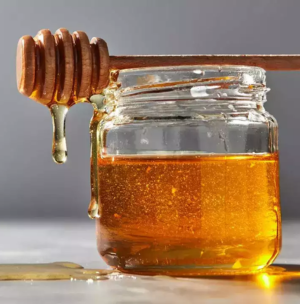
Honey
Types of Honey: Honey can vary significantly in flavor, color, and consistency depending on the floral sources from which bees collect nectar. Common types include clover honey, wildflower honey, acacia honey, and manuka honey, among others.
Export Markets: Major export markets for honey include the European Union, the United States, China, Japan, and the Middle East. Each market may have specific preferences for honey types, grades, and packaging.
Regulations and Standards: Exporting honey requires adherence to international regulations and quality standards. This includes regulations related to food safety, hygiene, labeling, and packaging. Importing countries often have strict regulations in place to ensure the safety and quality of imported honey.
Certifications: Many importing countries require certifications such as ISO, HACCP, and Organic certification for honey. These certifications demonstrate that the honey meets certain quality, safety, and organic production standards.
Packaging: Proper packaging is essential for exporting honey to preserve its quality and prevent leakage or contamination during transit. Honey is typically packaged in glass jars, plastic containers, or bulk drums, with secure lids and seals to prevent spillage.
Transportation: Honey is usually transported by sea or air freight, depending on factors such as distance, urgency, and temperature sensitivity. Proper handling and storage conditions are crucial during transportation to prevent crystallization or fermentation.
Documentation: Exporting honey requires various documentation including export licenses, certificates of origin, phytosanitary certificates, and invoices. Compliance with import regulations and customs procedures is essential for smooth export transactions.
Quality Control: Ensuring high-quality honey is essential for export success. Quality control measures may include regular testing for moisture content, purity, and absence of contaminants such as antibiotics or pesticides.
Market Trends: Understanding market trends and consumer preferences in target export markets is crucial for successful honey exports. This includes factors such as demand for specific honey varieties (e.g., raw, organic, manuka), sustainable sourcing practices, and value-added products like honeycomb or creamed honey.
Marketing and Promotion: Effective marketing and promotion strategies can help exporters differentiate their honey products in the market and attract potential buyers. This may include highlighting the unique flavor profiles, health benefits, and purity of the honey, as well as participating in trade fairs and industry events.